
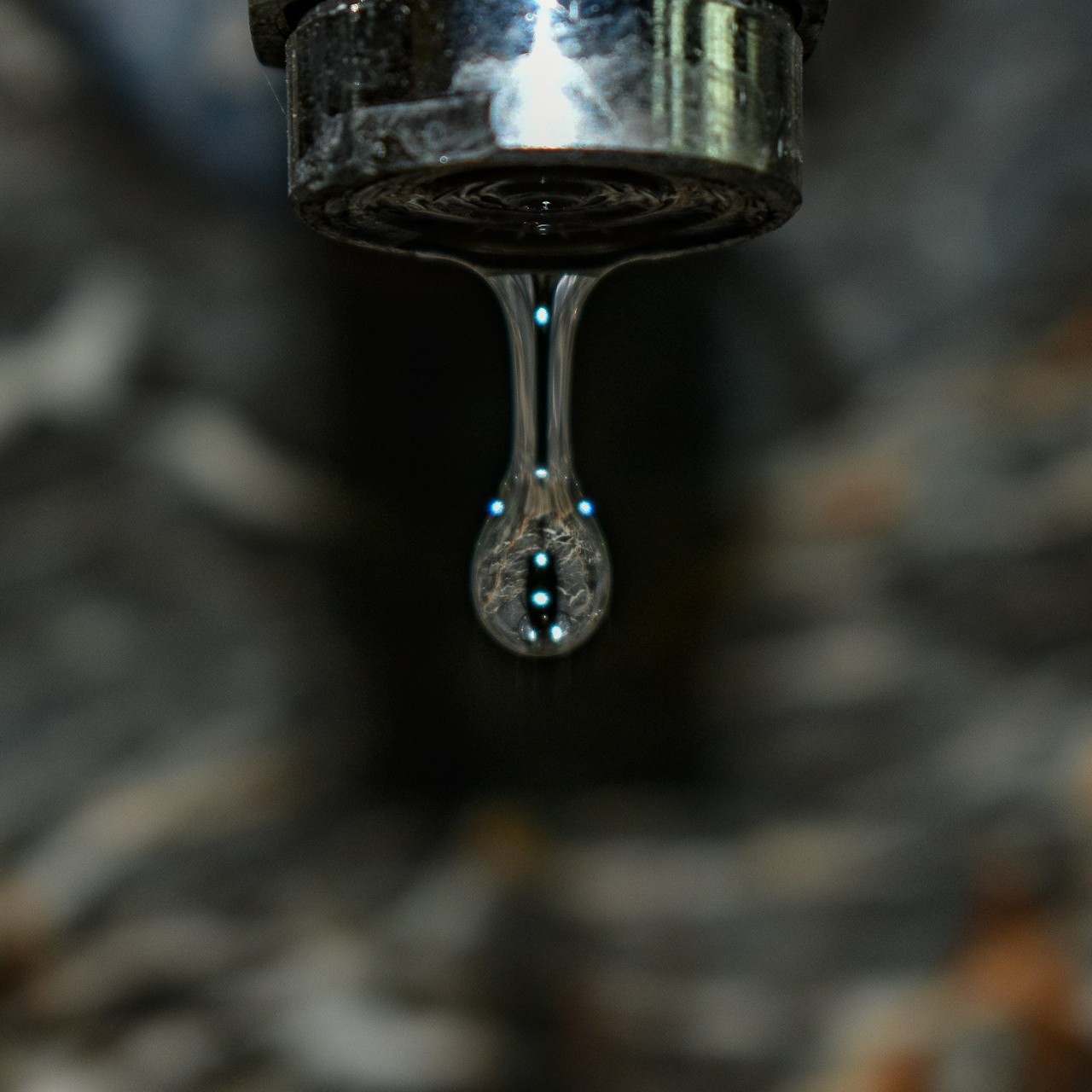
If you’re asking “why is my faucet leaking?”, the answer is usually a small part that’s worn out. Faucets have a handful of rubber seals, cartridges, and fittings that open and close every time you use them, and over the years they wear, harden, or come loose. Hard water and high pressure speed that process up.
The good news is that most leaks have a simple cause and a simple fix. Here’s what’s usually behind a leaky faucet, how to narrow down which problem you have, and when it’s time to replace the faucet altogether.
First, Know Your Faucet Type
The type of faucet you have tells you which parts are most likely to fail.
| Faucet type | How to recognize it | Most common weak point |
|---|---|---|
| Compression | Separate hot and cold handles that tighten as you turn them off | Rubber washers and valve seats |
| Cartridge | Most single-handle faucets | O-rings and the cartridge itself |
| Ball | One handle that moves over a rounded cap | Rubber seats and springs under the ball |
| Ceramic disc | A single handle on a wider, cylindrical body | Disc seals and scale buildup |
Common Causes of a Leaky Faucet
1. A Worn Washer
On compression faucets, a rubber washer presses against the valve seat every time you turn the handle off. After years of that, it flattens, cracks, or wears thin and stops sealing, so water drips from the spout. This is the classic cause of a dripping two-handle faucet.
The usual fix: a new washer matched to the exact size and shape.
2. Worn or Hardened O-Rings
O-rings are small rubber seals found in cartridge faucets and around the spout and stem. As they age, they harden, flatten, or split. A failed O-ring often shows up as water around the handle or at the base of the spout rather than a drip from the end.
The usual fix: replacement O-rings, lightly greased before installation.
3. A Failing Cartridge
In single-handle faucets, the cartridge controls flow and temperature. When it wears or scales up, it stops sealing properly, causing a drip from the spout, a handle that’s hard to turn, or temperature that won’t hold steady.
The usual fix: a replacement cartridge from the same manufacturer and model. A cartridge that looks almost identical often won’t seal.
4. A Corroded Valve Seat
The valve seat is the surface the washer presses against. Mineral deposits and corrosion can pit or roughen it, and once that happens, even a brand-new washer can’t form a tight seal. If you’ve replaced a washer and the drip came straight back, this is often why.
The usual fix: the seat is resurfaced with a seat tool or replaced entirely.
5. Loose Parts
Packing nuts, adjusting rings, and mounting hardware can work loose with everyday use. That usually lets water escape around the handle or the base rather than from the spout.
The usual fix: a slight tightening. If the leak continues, the seal underneath has probably worn out too.
6. Mineral Buildup
Hard water leaves scale on the small internal parts you can’t see, and that’s a big factor in Gilbert, Chandler, and Mesa. Scale wears down seals faster, roughens valve seats, stiffens cartridges, and clogs aerators. It’s one of the main reasons faucets in the East Valley tend to need attention sooner than in areas with softer water.
The usual fix: cleaning or replacing the affected parts. If it keeps happening across several fixtures, a water softener tackles the cause rather than the symptoms.
7. High Water Pressure
Too much pressure strains every seal and connection in your plumbing, which is why a faucet that’s been fine for years can suddenly start dripping. The International Plumbing Code calls for a pressure-reducing valve when static pressure exceeds 80 psi.
The usual fix: if several fixtures start leaking around the same time, or your water pressure seems unusually strong, have the home’s pressure checked.
8. Loose or Worn Supply Connections
Not every faucet leak comes from the faucet. The supply lines and fittings under the sink stay pressurized all the time, so a loose compression fitting or a worn supply hose can leak whether the faucet is on or off.
The usual fix: tightening the connection or replacing the supply line.
Where the Leak Is Tells You Why
Dry the faucet and the area around it, run the water, shut it off, and watch where moisture shows up first. That spot narrows things down quickly:
- Dripping from the spout: usually a worn washer, failing cartridge, or damaged valve seat.
- Around the handle: usually a loose packing nut or a worn O-ring on the stem.
- At the base of the faucet: usually a worn spout O-ring or a failed base seal.
- Under the sink: usually a supply line or fitting, not the faucet itself.
- Only while the water is running (kitchen faucets with sprayers): often a worn diverter, the part that sends water to the sprayer.
Why Is My Faucet Leaking When the Water Is Off?
A short drip right after you turn the faucet off is often normal. Some water sits between the valve and the end of the spout, and it can keep draining for a minute or two.
If the drip stops on its own, check the aerator at the tip of the spout. Debris or scale in the screen can slow that drainage down. Unscrewing it and soaking it in white vinegar usually clears it.
If the faucet keeps dripping steadily, the washer, cartridge, or valve seat isn’t sealing. And if water appears under the sink while the faucet is off, look at the supply connections, since they stay under pressure at all times.
Repair or Replace?
Most leaky faucets are worth repairing. A faucet is probably due for replacement when:
- the body is visibly corroded or pitted, since new seals can’t fix a damaged body
- it leaks again within a year of a proper repair, which usually means several parts are wearing out together
- replacement parts are discontinued, turning every future repair into a scavenger hunt
- flow stays weak even after cleaning the aerator, pointing to scale or corrosion inside the valve body
Before buying a new one, check the manufacturer’s warranty. Some brands cover cartridges for the original purchaser, and a call with your model number may get you a free replacement part.
When to Call a Plumber
Call a plumber if the shutoff valves under the sink won’t close, the leak seems to be coming from inside a wall or under the floor, or you’ve already replaced a part and it’s still leaking. Stiff or seized shutoff valves are common in older Valley homes, and forcing one can turn a drip into a much bigger problem. For leaks you can’t see, leak detection finds the source without guesswork.
Get Your Leaky Faucet Fixed
If you can’t pin down the cause, or you’d rather not take the faucet apart yourself, we’re happy to take a look.
Here at Evolution Plumbing, we’ll find what’s causing the leak, tell you honestly whether a faucet repair or a new faucet makes more sense, and give you a free estimate before any work starts.
Get in touch and we’ll take it from there.
